Laylatul Qadr: The Night Of Power
As Ramadan enters its final days, the month begins to feel different.
The nights seem quieter. The time feels more precious. The routines we settled into at the beginning of Ramadan suddenly feel close to ending.
Somewhere among these final nights is Laylatul Qadr: the Night of Power. Allah (SWT) describes it as better than a thousand months.
We are not told exactly when it will come. Perhaps that is part of its wisdom.
We are asked to keep seeking it, to keep returning to prayer, dua, and remembrance, even when we are tired and the month feels like it is slipping away.
What Is Laylatul Qadr, The Night Of Power?
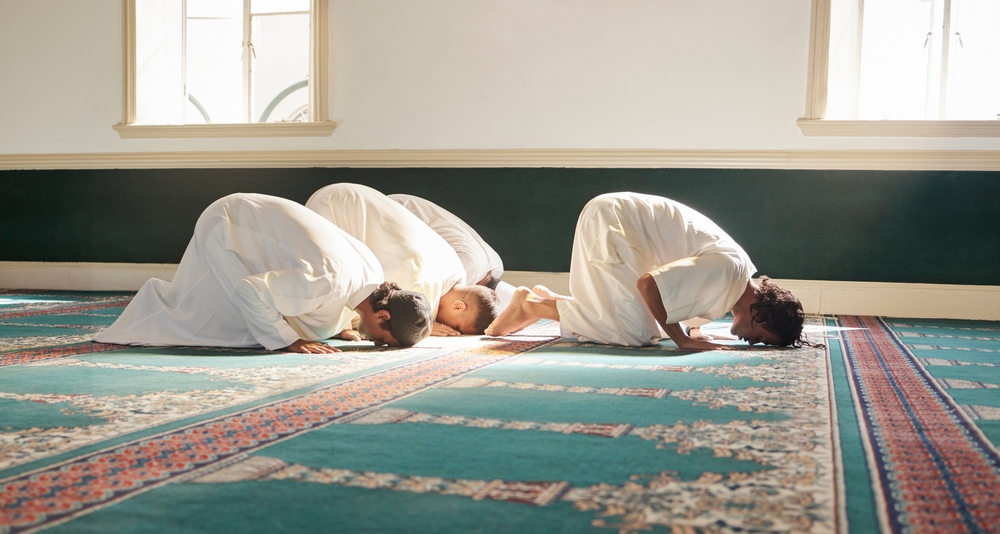
Laylatul Qadr, also known as the Night of Power or Night of Decree, is one of Islam’s most sacred nights.
It is the night of the Qur’an’s revelation, and Allah dedicates an entire Surah to its significance.
In Surah Al-Qadr, Allah tells us that the angels descend during this night, that it is filled with peace until dawn, and that it is better than a thousand months.
That comparison is hard to comprehend fully. A thousand months is more than eighty years. Yet Allah, in His mercy, can place the value of a lifetime in a single night.
It is a reminder that in Islam, the value of a moment is not always measured by its length. Sometimes, one sincere night can carry more weight than years of ordinary time.
When Is Laylatul Qadr?
The exact night of Laylatul Qadr is unknown.
The Prophet Muhammad ﷺ encouraged Muslims to seek it during the last ten nights of Ramadan, particularly the odd-numbered nights.
These are usually the:
21st, 23rd, 25th, 27th and 29th nights of Ramadan.
The 27th night is often associated with Laylatul Qadr, but it doesn’t always fall on that night. And perhaps there is mercy in not knowing.
If we knew the exact night, we might save all our effort for one evening and let the others pass us by. Instead, we are encouraged to keep turning back to Allah throughout Ramadan’s final stretch.
To keep showing up. To keep asking. To keep hoping.
Why Is Laylatul Qadr So Special?
Laylatul Qadr is not only special because of the reward attached to it. It is special because it reminds us of what we should remember.
That Allah can change the weight of a moment. That forgiveness can begin with one sincere dua, so that a person can turn back to Allah after feeling distant for months or even years. That something offered quietly in the middle of the night can be known completely by the One who sees it.
A prayer while everyone else sleeps. A page of Qur’an read slowly. A donation no one knows about. A dua made through tears. A moment of repentance when no perfect words remain.
These things may seem small to us. But Laylatul Qadr reminds us not to measure an act’s value by how small it seems.
How Can I Make The Most Of Laylatul Qadr?
People often feel pressure to make the final nights of Ramadan perfect.
To pray more. Read more. Give more. Stay awake longer.
But Laylatul Qadr isn’t a competition over how much we can fit into one night.
- Begin with sincerity.
- Pray what you can.
- Read the Qur’an attentively rather than rushing through the pages.
- Make dhikr.
- Ask Allah for forgiveness.
- Give charity.
- Make dua about the things that matter most to you.
- Speak to Allah about the things you hope for, the things you regret, the people you love and the burdens you have carried quietly.
The goal is not necessarily to do everything. Be present with Allah in whatever you do. Because we do not know which of the final nights is Laylatul Qadr, consistency can become an act of worship in itself.
Night after night, we return.
What Dua Should I Read On Laylatul Qadr?
Aisha (RA) once asked the Prophet Muhammad ﷺ what she should say if she knew which night was Laylatul Qadr.
He taught her:
اللَّهُمَّ إِنَّكَ عَفُوٌّ تُحِبُّ الْعَفْوَ فَاعْفُ عَنِّي
Transliteration:
Allahumma innaka ‘afuwwun tuhibbul-‘afwa fa’fu ‘anni.
Meaning:
O Allah, You are Pardoning and You love to pardon, so pardon me.
There is something deeply moving about the simplicity of this dua.
On a night of such immense value, we are taught to ask for something deeply personal: forgiveness. Not merely to hide our mistakes, but for Allah, in His mercy, to pardon us completely. And beyond this dua, speak to Allah in your own words.
Ask for guidance. For your family. For healing. For the Ummah. For the things you have been waiting for and the things you don’t yet know how to ask for.
Nothing sincere is too small to bring before Allah.
Don’t Let The Night Pass Without Giving
The final ten nights can arrive as our energy begins to fade. But these are the nights we are encouraged to hold onto most closely.
Charity is one way to let our worship reach beyond ourselves.
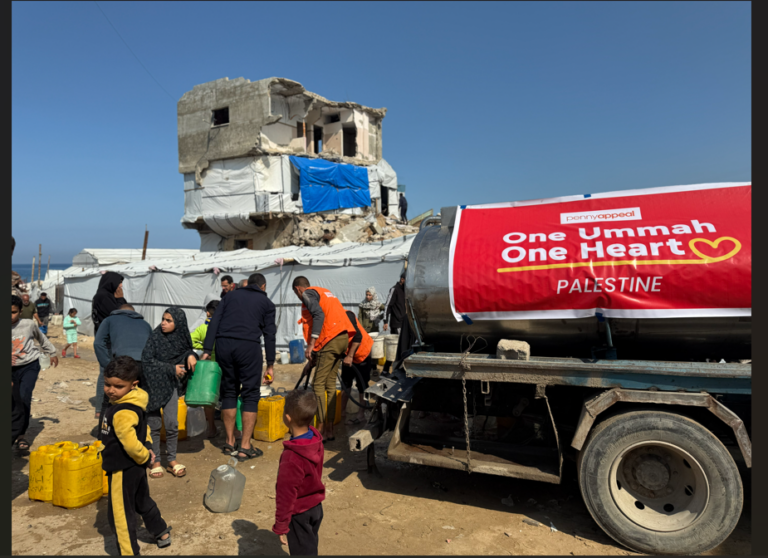
A donation may take only seconds to make, but for another person it can become food, clean water, shelter, medicine or relief in a difficult moment.
Because we don’t know exactly which night is Laylatul Qadr, automating your giving over the last ten nights can help ensure your charity reaches the Night of Power, Insha’Allah.
While you sleep, pray or spend time with your family, your intention to give continues.
Through Penny Appeal, your generosity can support families experiencing poverty, displacement and hardship throughout Ramadan and beyond.