The Crisis
Since October 2023, Israel’s military assault on Gaza has left over 33,000 people with new disabilities — 56% of them mobility-related. Between 3,000 and 4,000 children have had limbs amputated, making Gaza home to the highest number of child amputees in the world.
And while the injuries mount, the tools needed to survive them are being kept out.
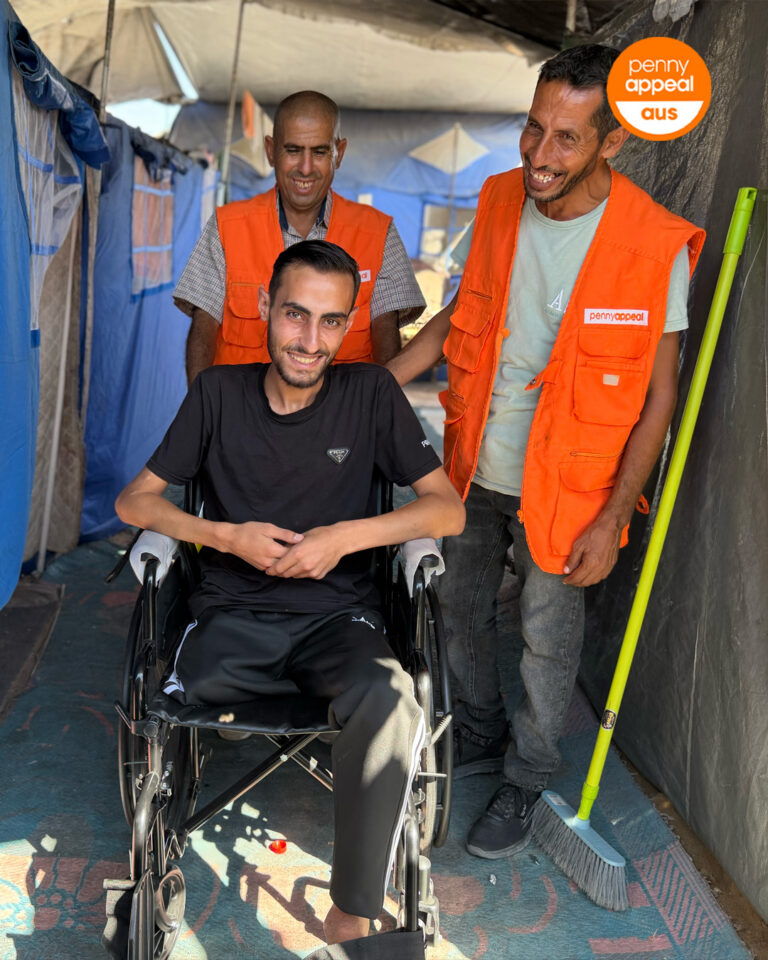
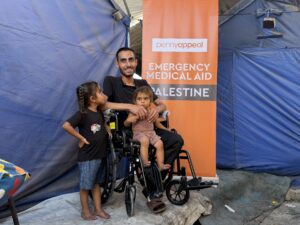
No rehabilitation equipment has entered Gaza in nearly two years. Wheelchairs, prosthetics, even spare parts and batteries — blocked. Not a single rehabilitation facility in Gaza is fully functional. When our partner on the ground announced that wheelchairs would soon be available, 1,702 people registered within hours.
That number tells you everything about the need.
This is not a logistics problem. It is a policy of denial.
The Ask
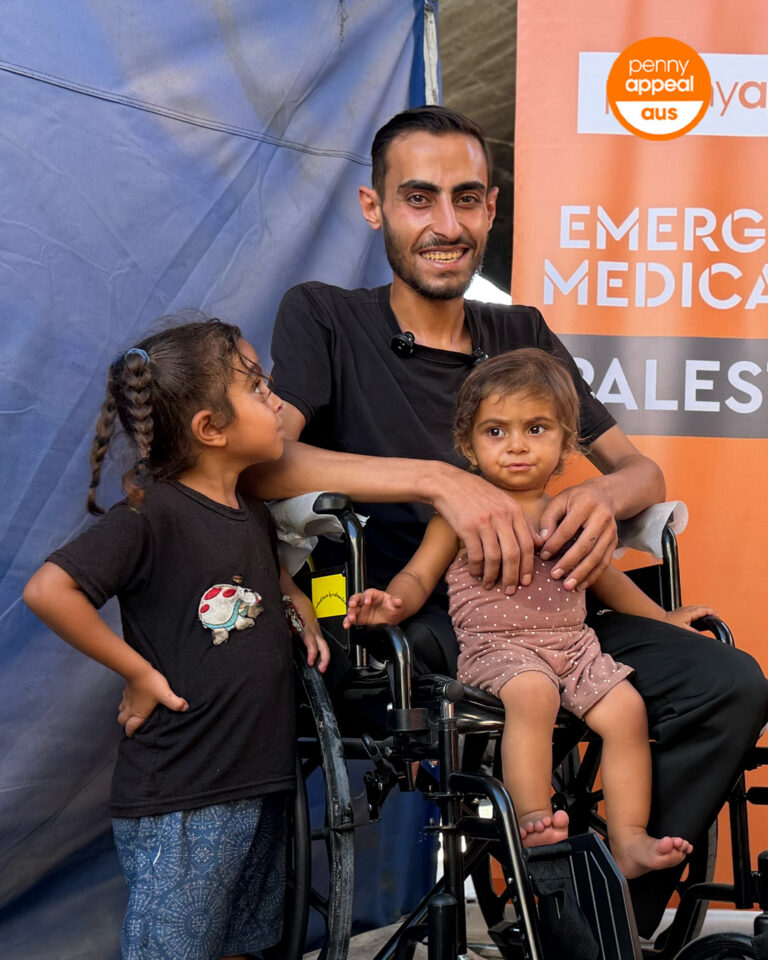
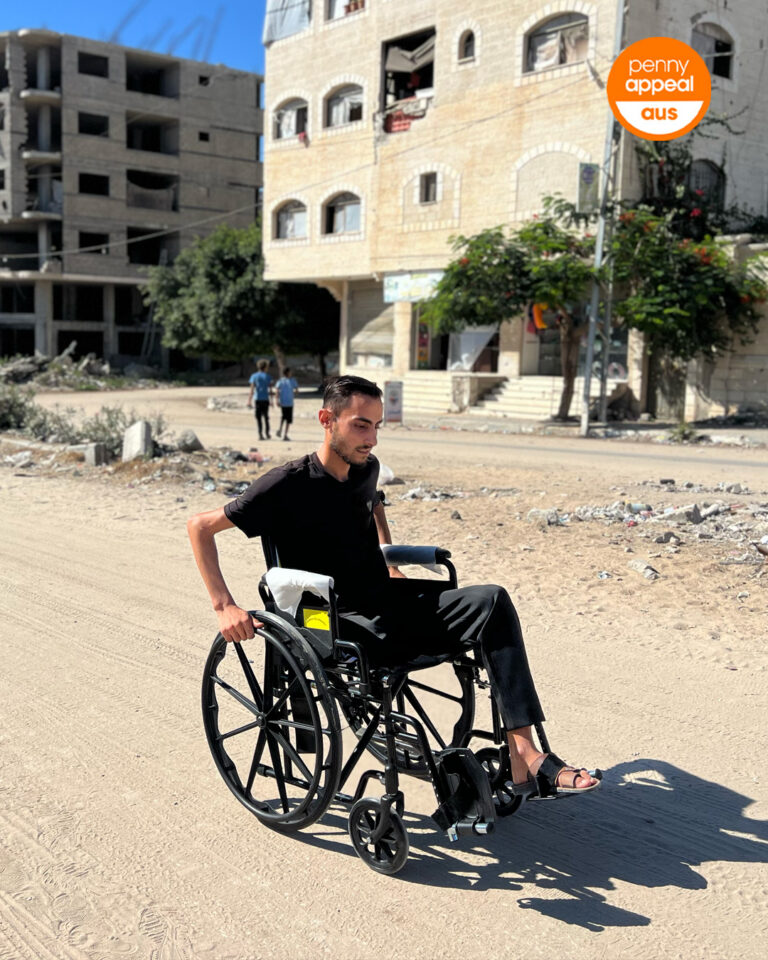
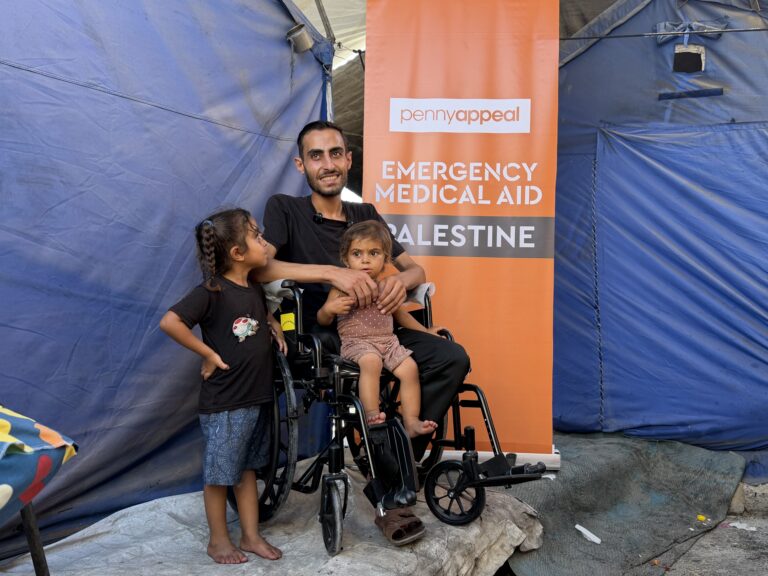
People with disability in Gaza are among the most vulnerable — and their stories are not being told. For the person who cannot reach a food distribution point without a wheelchair, food aid alone is not enough. For the child who lost their legs to an airstrike and cannot leave their tent, survival is not the same as living. For the elderly man or woman who depends entirely on others for every basic function, immobility is not hardship. It is despair.
Our partners have assessed 300 of the most critical cases on a verified waiting list — each one identified, each one ready. The wheelchairs are sourced and available inside Gaza. Our teams are preparing for distribution.
We need your help to get every single one delivered.
The Gift
Each wheelchair costs $850 — covering not just the chair, but the full cost of sourcing, transporting, and delivering it to a verified recipient inside an active blockade. It is not a simple supply chain.
If you cannot give the full amount, a partial contribution goes into a collective pool toward funding a wheelchair alongside other donors. Every amount moves the list forward.
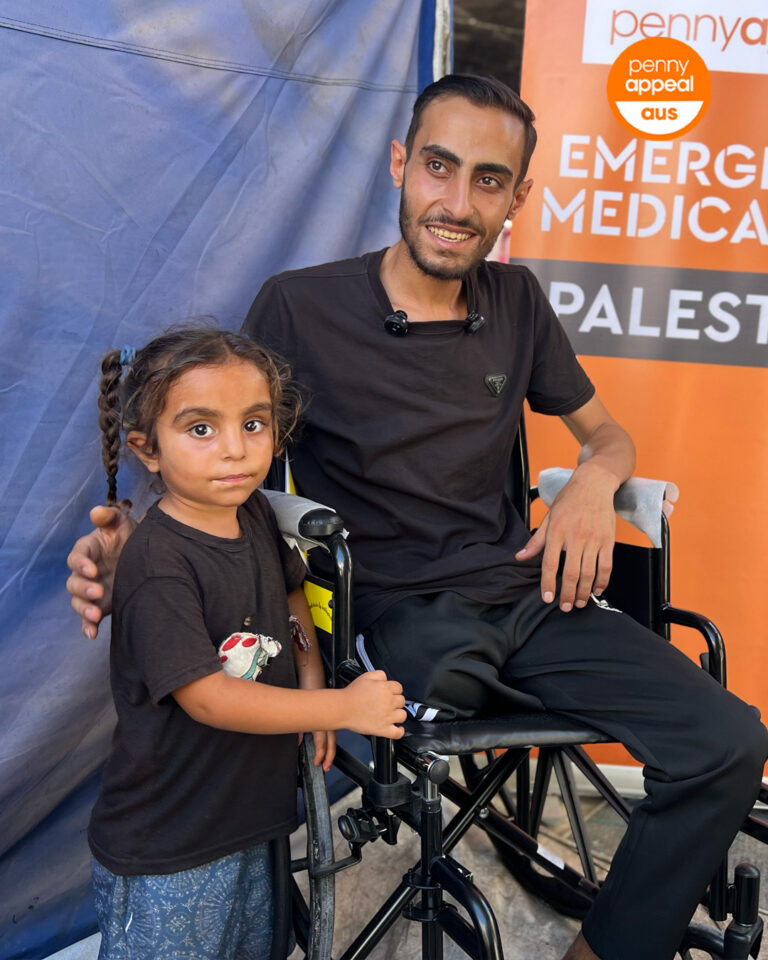
One gift. One person. One restored life.
Why Now
The headlines have moved on. The suffering has not. Gaza is entering its third year of continuous assault. The cameras have largely left. But our partners are still there, the waiting list is still full, and the need is more urgent than ever.
83% of people with disabilities in Gaza currently lack the assistive devices they need. This is precisely the moment when consistent, committed giving matters most — when the world has stopped watching but people are still waiting.