Unable to Fast? Give Fidya
Fasting Ramadan is an obligation for every Muslim who is able. But Islam also recognises when fasting is beyond a person’s ability.
If you cannot fast due to old age or a chronic condition with no reasonable expectation of being able to make the fasts up later, Fidya allows you to fulfil your obligation by providing food to someone in need for each day missed.
Through Penny Appeal, your Fidya helps provide meals to people facing hunger.
What Is Fidya?
Fidya is a payment made when someone is permanently unable to fast during Ramadan and cannot make up the missed fasts later.
Allah (SWT) says:
“For those who can only fast with extreme difficulty, compensation can be made by feeding a needy person.”
Qur’an 2:184
Fidya is given for each day of fasting that cannot be observed.
Rather than leaving the obligation unfulfilled, your Fidya becomes food for someone who needs it.
Who Needs to Pay Fidya?
Fidya generally applies when a person cannot fast now and is not expected to become able to fast in the future.
This can include:
- An elderly person who is no longer physically able to fast
- Someone with a chronic illness that prevents fasting
- Someone whose health would be seriously affected by fasting and who is not expected to be able to make the fasts up later
If your inability to fast is temporary and you expect to be able to fast later, the missed days would generally be made up through Qada rather than Fidya.
Individual circumstances can differ, so if you are unsure whether Fidya applies to you, seek advice from a trusted Islamic scholar.
What Does Your Fidya Provide?
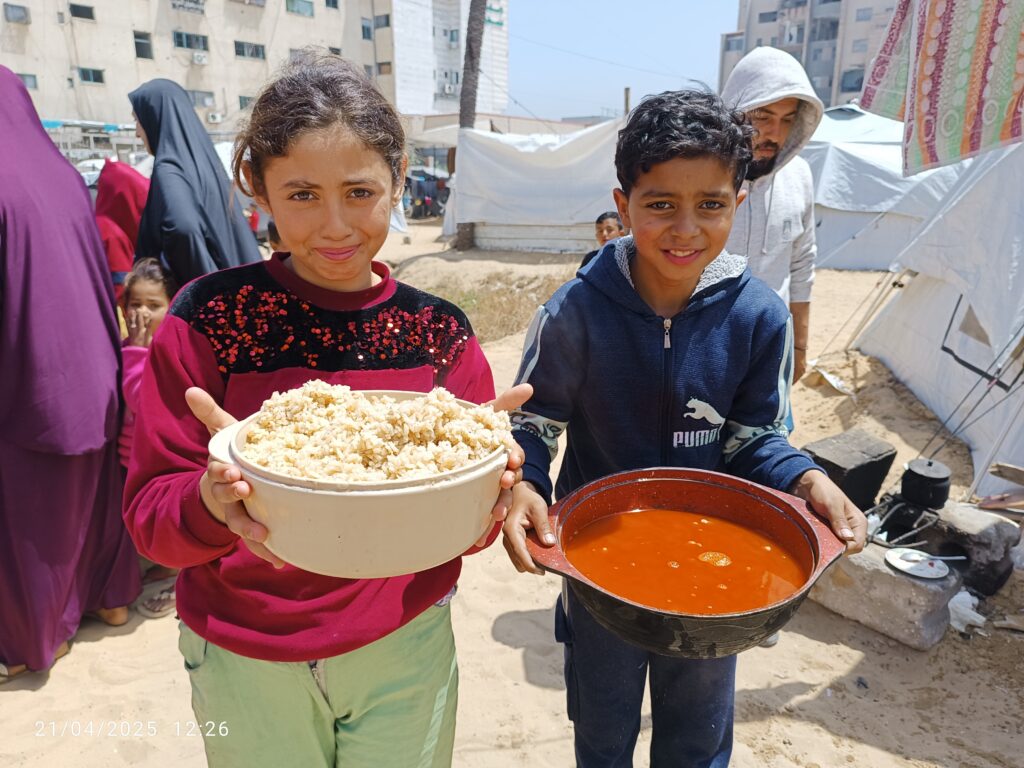
Fidya is used to feed people experiencing hunger.
For every day of Ramadan you are permanently unable to fast, the required Fidya provides food for a person in need.
Your Fidya can help provide:
- Nutritious meals
- Essential food supplies
- Food support for families facing poverty or hardship
Penny Appeal distributes Fidya through eligible food programs, turning your missed fast into practical support for someone who may not have enough to eat.
Fidya and the Purpose of Fasting
Ramadan teaches us what it means to go without food and water from dawn until sunset.
Fidya carries that lesson into an act of giving.
When fasting is no longer possible, Islam provides another way to fulfil the responsibility: feed someone else.
It connects an act of worship you are unable to perform with the very real hunger another person is experiencing.
Fidya or Kaffarah?
Fidya and Kaffarah apply in different circumstances.
Fidya
Fidya is generally paid when you are permanently unable to fast because of old age or a long-term health condition, and you are not expected to be able to make up the missed days.
Kaffarah
Kaffarah may be required when a person deliberately breaks or invalidates a Ramadan fast without a valid Islamic reason, subject to the relevant Islamic rulings.
If you missed a fast temporarily due to illness, travel or another valid reason and can fast later, you would generally make up that fast through Qada instead.
If you are uncertain which applies to your circumstances, speak with a qualified Islamic scholar.
How Your Fidya Is Given
1. Calculate Your Missed Fasts
Count the number of Ramadan fasts for which Fidya is due.
2. Give Your Fidya
Pay the required amount for each missed day.
3. We Provide Food
Penny Appeal directs your Fidya towards eligible food assistance for people facing hunger.
4. Your Fidya Reaches Those Eligible to Receive It
Our teams and partners distribute the food through relevant programs and communities.
Fidya FAQs
What does Fidya mean?
Fidya is compensation for a missed fast when a person is permanently unable to fast and is not expected to be able to make the fast up later. It is used to feed a person in need for each eligible missed day.
Who should pay Fidya?
Fidya generally applies to people who cannot fast because of old age or a chronic health condition and are unlikely to regain the ability to fast in the future.
Do I pay Fidya if I am temporarily sick?
If your illness is temporary and you expect to be able to fast later, you would generally make up the missed fasts through Qada rather than paying Fidya.
How much Fidya do I need to pay?
Fidya is calculated for each eligible day of fasting missed. Your total is the current Fidya rate multiplied by the number of days for which Fidya is due.
Can I pay Fidya for the whole month at once?
Yes. If you know you will be unable to fast throughout Ramadan and Fidya applies to your circumstances, you can pay for the eligible days together.
What happens to my Fidya?
Penny Appeal uses Fidya to provide food assistance to people eligible to receive it through our food programs.
What if I am unsure whether I owe Fidya?
The ruling depends on why you are unable to fast and whether you are expected to be able to make up the missed days later. If you are unsure, consult a trusted Islamic scholar before making your payment.