If a hospital has medicine but no fuel, it cannot run properly.
If doctors have patients but no diagnostic equipment, they are working with one hand tied behind their back.
If someone survives an amputation but there is no rehabilitation available afterwards, their treatment is still incomplete.
That is the reality of Gaza’s healthcare crisis right now, and right now, that system is under enormous pressure.
More than half of Gaza’s essential medicines are at zero stock, while thousands of patients are waiting for medical evacuation because the treatment they need cannot be provided locally. At the same time, hospitals and clinics continue working with shortages of equipment, diagnostics, fuel and medical supplies.
The Need for Healthcare Has Not Slowed Down
In one week in September, more than 279,000 medical consultations were recorded across Gaza. Around 18% were linked to communicable diseases, with respiratory infections, skin infections, and acute watery diarrhoea among the most common.
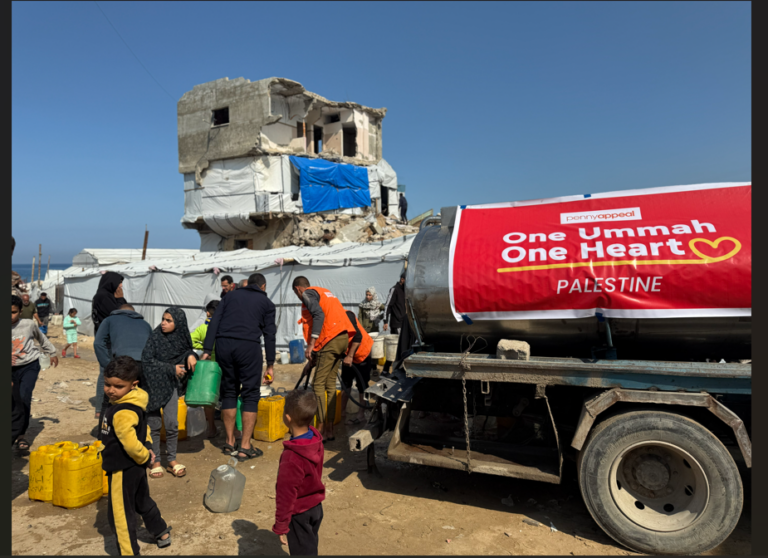
Overcrowding, poor sanitation, limited clean water, and delayed treatment are making these illnesses harder to control.
Between early August and mid-September alone, more than 45,000 cases of impetigo, a contagious skin infection that mainly affects children, were reported.
So, while hospitals continue treating serious injuries, they are also dealing with illnesses that would normally be much easier to manage.
Chronic Illness’s Still Need Regular Care
Cancer patients still need chemotherapy and radiotherapy. People with Type 1 diabetes still need insulin. Kidney patients still need dialysis several times a week.
But those services are also under pressure.
Shortages of cancer medicines and treatment supplies have affected care, while some diagnostic services have been suspended because of missing equipment and spare parts.
Around 700 kidney patients need dialysis three times a week, but supplies used for dialysis remain limited.
People living with Type 1 diabetes have also faced shortages of insulin, increasing the risk of serious complications.
These treatments rely on consistency, and when care keeps getting interrupted, patients face even more risk.
Some Treatments are Not Available Inside Gaza
More than 18,500 injured and chronically ill patients were estimated to need treatment outside Gaza because specialist care was unavailable.
By September, around 12,400 patients had been medically evacuated since October 2023, but many more were still waiting.
This includes people needing cancer treatment, complex surgery, specialist rehabilitation, and other forms of advanced care.
Rehabilitation is a Major Part of Recovery
After a serious injury, treatment often continues for months or even years.
This is why mobility support matters.
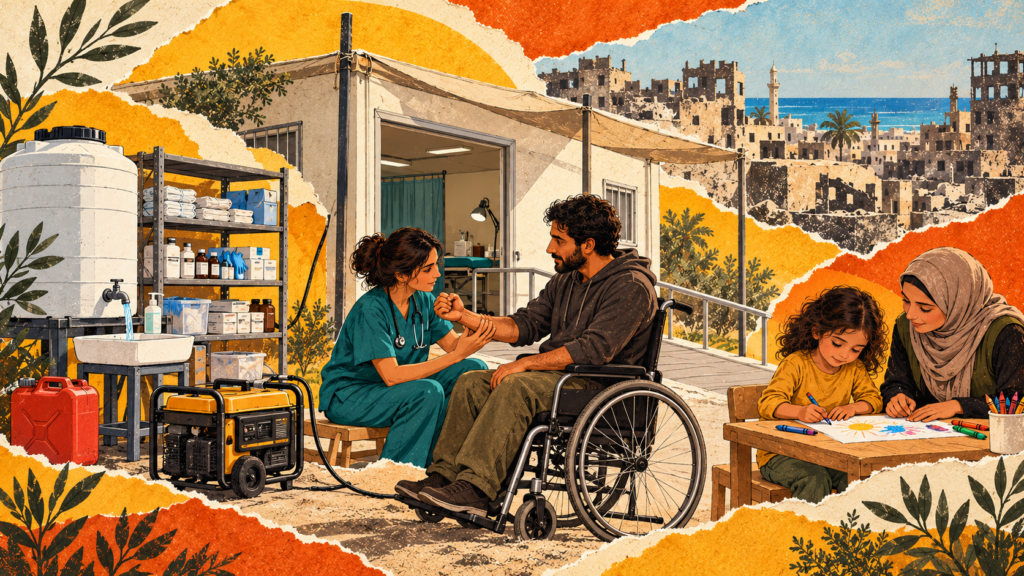
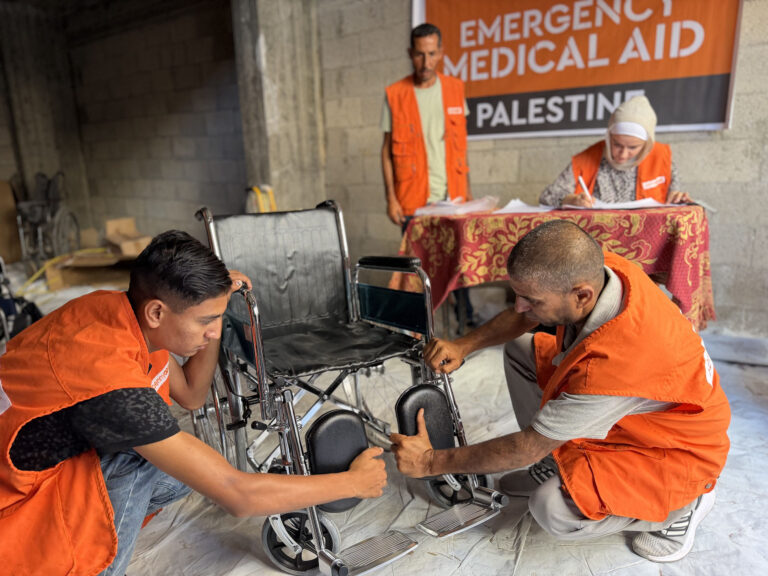
Penny Appeal has already distributed wheelchairs inside Gaza, while damaged wheelchairs are also being repaired locally and returned to use.
When new equipment is difficult to bring in, repairing what is already available helps more people regain mobility and independence.
What Gaza Needs Right Now
When you put all this together, Gaza’s health needs become much clearer.
People need medicines and medical supplies, but they also need working diagnostics, fuel and equipment.
Patients with cancer, diabetes, and kidney disease need regular treatment.
Those who need specialist care must be able to reach it.
People recovering from serious injuries need rehabilitation, prosthetics, and mobility support.
Children and families need mental health and psychosocial care alongside physical treatment.
That is what Renewal for Gaza Health Appeal is working to support this October.