Understanding Ramadan Nutrition
Ramadan changes the rhythm of everything.
Meals move. Sleep shifts. Mornings begin before sunrise, evenings stretch a little longer, and somewhere between suhoor, work, prayer, iftar, and Tarawih, our bodies are quietly trying to keep up.
We often spend a lot of time preparing spiritually for Ramadan by setting Qur’an goals, planning our duas, and thinking about how we want the month to feel.
But our bodies are part of that preparation too. They are an Amanah, a trust from Allah (SWT).
Nourishing ourselves well during Ramadan is not about following a perfect diet. It is about eating in a way that supports our fast, our energy, and our ability to worship with greater ease.
Ramadan Nutrition Starts With Balance
Fasting changes when we eat, but our bodies still need a good mix of nutrients. That means making the hours between iftar and suhoor count.
A balanced Ramadan diet should include a mix of:
Protein — eggs, chicken, fish, yoghurt, lentils, beans and other protein-rich foods.
Fiber — vegetables, fruit, oats, whole grains, beans, and lentils.
Carbohydrates — rice, potatoes, bread, oats and other grains, preferably less refined options where possible.
Healthy fats — nuts, seeds, avocados, and olive oil.
Fluids — especially water throughout the non-fasting hours.
The goal is not to remove the food we love. It is simply to build meals that leave us feeling nourished rather than heavy, sluggish, or still hungry an hour later.
Suhoor: Preparing Your Body for the Fast
Suhoor can be easy to underestimate.
When it is still dark outside and you are half awake, grabbing something quick can feel much easier than thinking about nutrition. But suhoor is your preparation for the day ahead.
A good suhoor should ideally include protein, fiber, slower-digesting carbohydrates, and fluids.
You might have:
- Eggs with wholegrain toast and vegetables
- Oats with yoghurt, fruit, nuts and seeds
- Greek yogurt with berries, oats and nut butter
- Lentils or beans with wholegrain bread
- Fruit alongside a protein-rich meal
These foods can help make your meal more balanced and sustaining. Try not to make suhoor too salty either. Very salty foods can leave you feeling thirstier during the day. And while a large coffee may feel essential at 4 am, remember that water should still be a priority.
Suhoor does not need to be complicated. It just needs to give your body something useful to work with.
Iftar: Break the Fast Gently
By Maghrib, it is easy to feel like you could eat everything on the table.
You have been waiting all day. The food smells good. Someone has probably made enough food for three households. But after hours without food or water, your body does not necessarily need everything at once.
Start gently.
Break your fast, drink some water, and give yourself a moment.
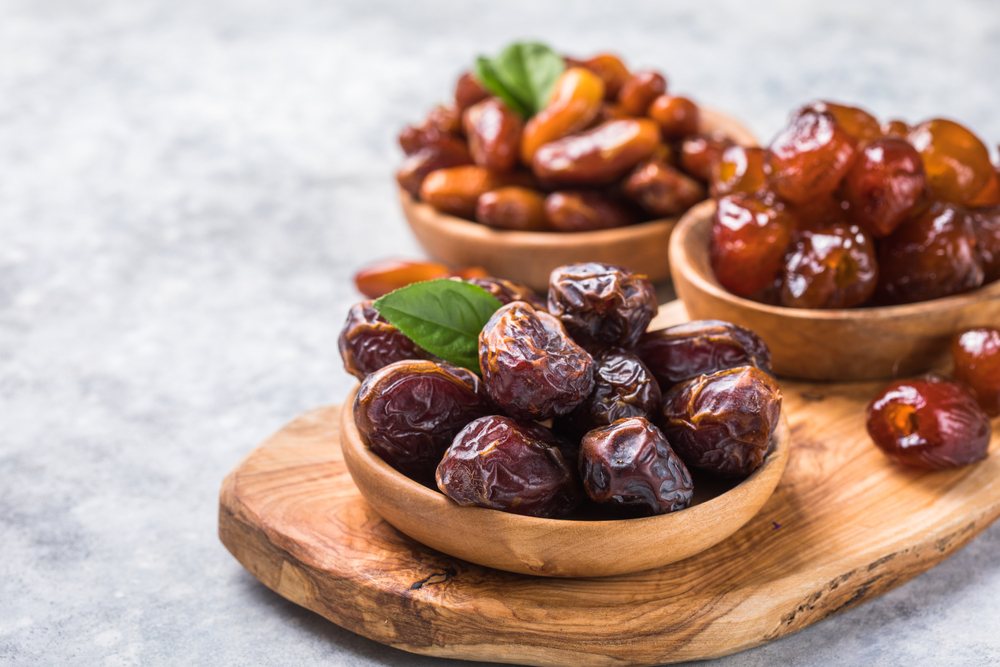
Many Muslims begin with dates, following the Sunnah, before praying Maghrib and returning for the main meal. When you do eat, aim for a plate with a good balance of vegetables, protein, and carbohydrates.
Think grilled chicken with rice and salad.
Fish with potatoes and vegetables.
Lentil soup with bread and a side of yogurt.
The exact meal will look different in every home, and that is part of the beauty of Ramadan. You do not need to remove sambousek, kunafa, biryani, or the dishes that make Ramadan feel like Ramadan.
Just let them sit alongside balance, rather than becoming the whole meal.
Don’t Forget What Happens Between Iftar and Suhoor
Ramadan nutrition is not only about two meals. There are several hours between them. If you are hungry later in the evening, a light snack can help bridge the gap without leaving you overly full before bed.
Fruit with yoghurt.
A handful of nuts.
A smoothie.
Wholegrain crackers with hummus.
Something simple is often enough. Listening to your hunger and fullness cues can help you avoid moving from extreme hunger at Maghrib to uncomfortable fullness later in the evening.
Hydration Matters Just as Much as Food
After a day without water, it can be tempting to drink several glasses at once. But hydration works better when it spreads throughout the evening. Drink regularly from iftar until suhoor rather than trying to make up for the entire day in one sitting.
Keep a bottle nearby.
Drink with your meals.
Have water after Tarawih, and drink again at suhoor.
Fruits and vegetables with a high-water content can also contribute to your overall fluid intake.
If you notice strong thirst, headaches, dizziness or very dark urine, these may be signs that you need to pay closer attention to hydration.
When Your Energy Starts to Dip
Ramadan tiredness can be very real.
Your sleep changes. Your mealtimes change. Your caffeine routine might change. Meanwhile, work, study, parenting, and daily responsibilities continue as usual.
That is why nutrition is only one part of the picture. Where you can, protect your sleep, avoid turning every night into a very late night, keep your meals balanced, and stay hydrated.
And be realistic about your energy.
Looking after yourself is not separate from Ramadan. It can help you preserve the strength you need for fasting, prayer, and worship.
Ramadan Is Also About Moderation
There is something beautifully fitting about the fact that Ramadan teaches us restraint while also bringing some of our favourite foods back to the table.
The lesson is not that food is bad. It is that we learn to approach it with more awareness.
After spending an entire day without eating or drinking, even a glass of water can feel different. A date can feel sweeter. A simple meal can feel like a gift. That awareness is part of Ramadan too.
When we nourish ourselves with intention, suhoor becomes preparation. Iftar becomes gratitude. And food becomes less about excess and more about appreciating what Allah has provided.
Your Needs May Be Different
There is no single Ramadan meal plan that works for everyone.
Your nutritional needs may be different if you have a medical condition, take regular medication, are pregnant or breastfeeding, have a history of disordered eating, or have concerns about fasting safely.
In those situations, seek individual advice from your doctor or an accredited dietitian. Your health matters, and good Ramadan nutrition should support it.
Nourish Yourself, Then Look Beyond Your Table
Every evening in Ramadan, tables begin to fill.
Water is poured. Dates are placed out. Food is passed from one person to another. For many of us, we know exactly what we will break our fast with.
Not every family has that certainty.
So, while Ramadan teaches us to think more carefully about how we nourish ourselves, it can also remind us of the people whose concern is not what to eat for iftar but whether there will be enough to eat at all.
Your Ramadan giving can help provide food and support to families experiencing hardship. Prepare your own table with intention, and when you can, help another family prepare theirs too.