Zakat is an obligation, an act of worship and one of the five pillars of Islam.
For Muslims whose eligible wealth remains above the Nisab threshold, Zakat is generally calculated at 2.5% of qualifying wealth held for one lunar year.
Through Penny Appeal Australia, your Zakat can help support people facing poverty, displacement, hunger and other forms of hardship, while being distributed in accordance with the categories set out in the Qur’an.
What is Zakat?
Zakat means purification and growth. By giving a portion of our wealth to those entitled to receive it, we fulfil an obligation to Allah while helping redistribute wealth towards people who need it most.
Allah sets out the eligible recipients of Zakat in the Qur’an:
“Zakat expenditures are only for the poor and for the needy…”
Qur’an 9:60
The verse goes on to identify eight categories of people eligible to receive Zakat, including those experiencing poverty and hardship.
For most eligible Muslims, Zakat is calculated at 2.5% of qualifying wealth once that wealth has remained above the Nisab threshold for one lunar year.
How Much Zakat Do I Need to Pay?
The amount of Zakat you owe depends on the value of your eligible assets and liabilities.
Zakat may apply to assets such as:
- Cash and savings
- Gold and silver
- Shares and investments
- Business assets and stock
- Money owed to you that is expected to be repaid
- Other eligible forms of wealth
Certain short-term liabilities may be deducted when calculating your Zakat.
The Nisab is the minimum level of wealth a Muslim must hold before Zakat becomes obligatory. It is traditionally based on the value of either 87.48 grams of gold or 612.36 grams of silver, so its dollar value changes as precious metal prices change.
(Source: Islamic Relief Worldwide, Nisab guidance)
If you are unsure how much you owe, use our Zakat Calculator to work through your eligible assets and liabilities.
Where Your Zakat Goes
Zakat is an Amanah, a trust.
When you give your Zakat through Penny Appeal Australia, it is directed towards people and programs that meet the Islamic requirements for Zakat distribution.
Your Zakat can help support eligible people through assistance such as:
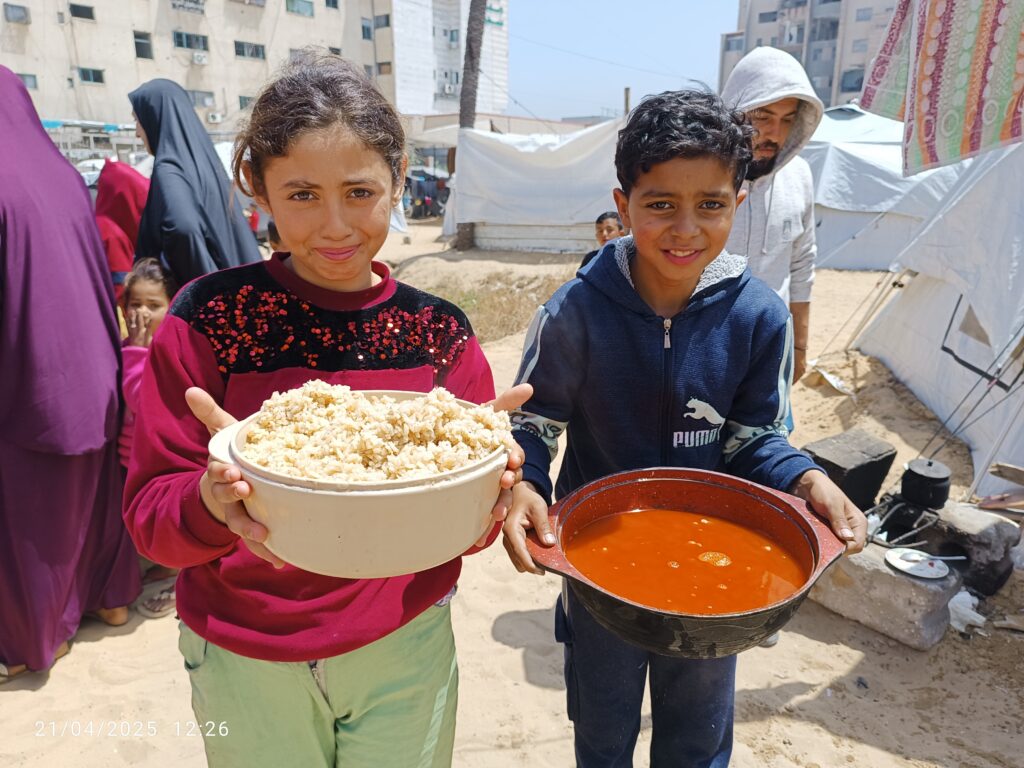
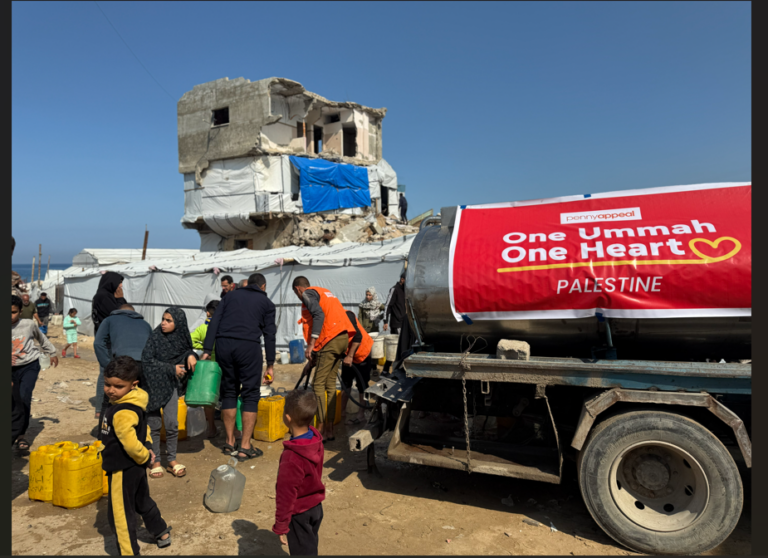
- Emergency food and essential supplies
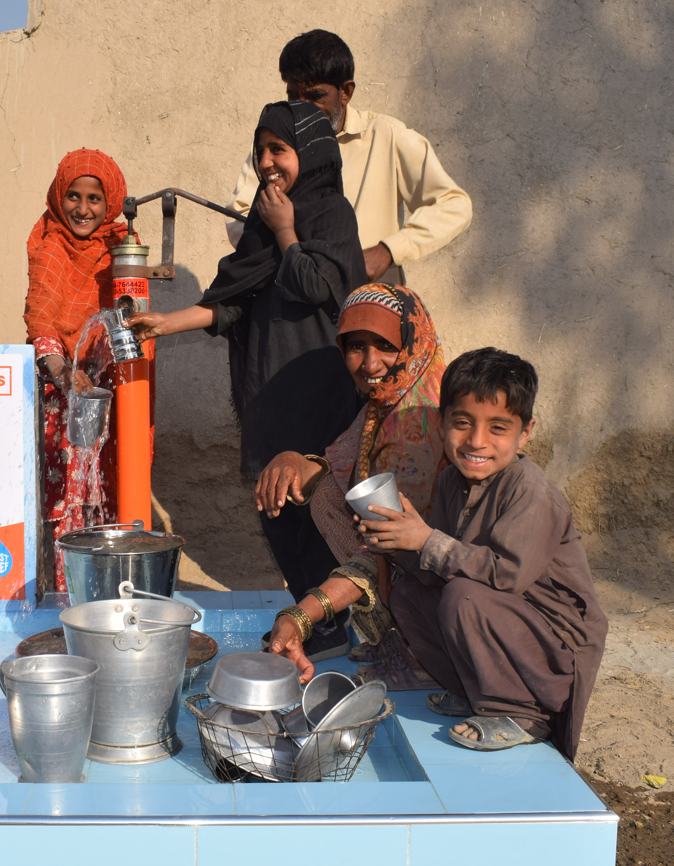
- Clean water
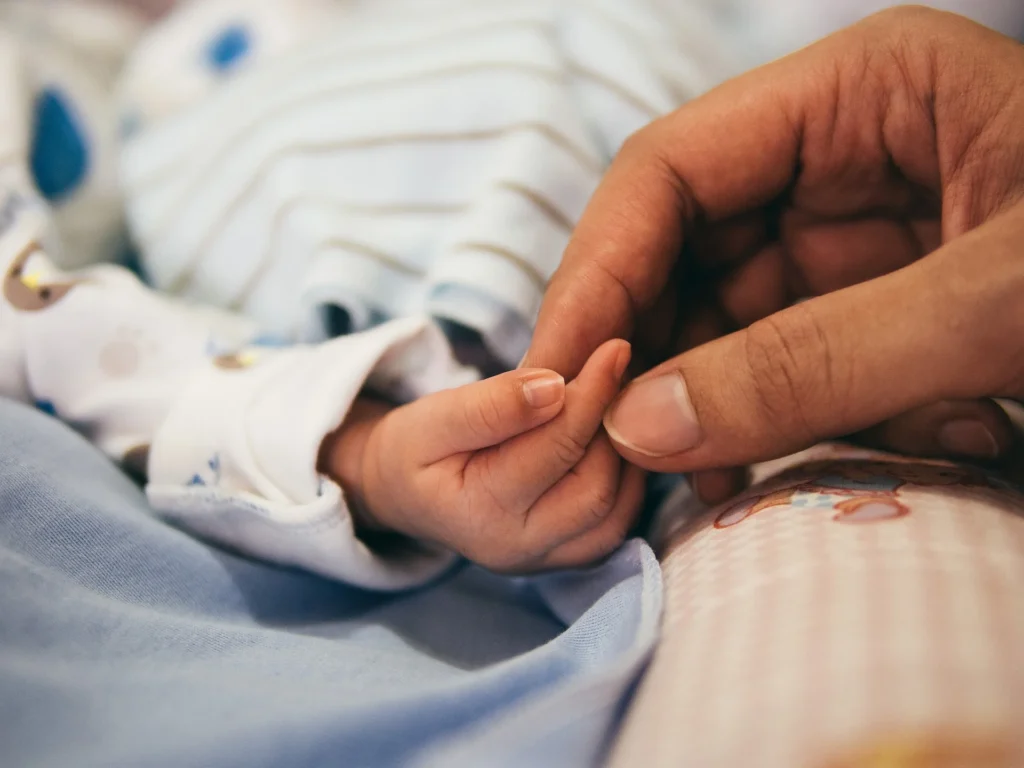
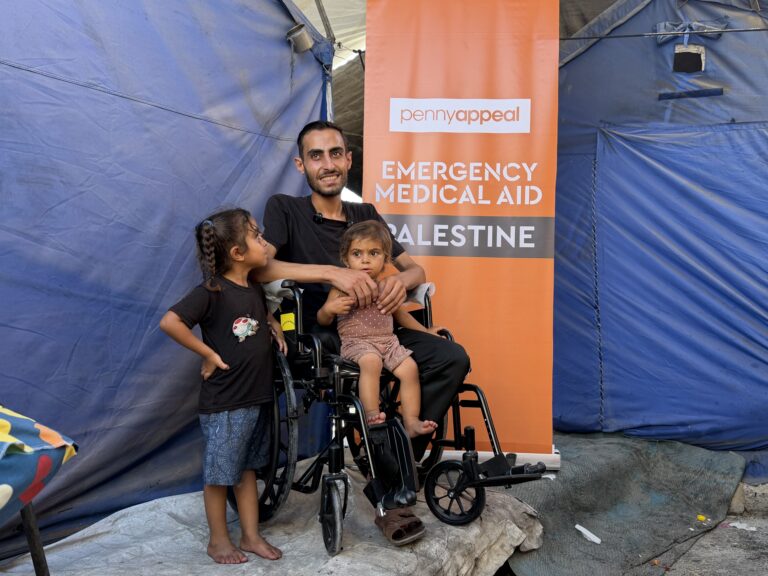
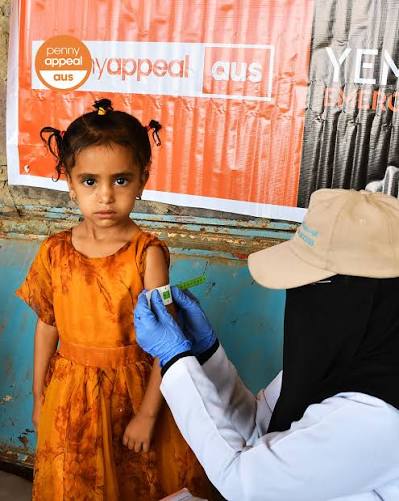
- Healthcare and medical assistance
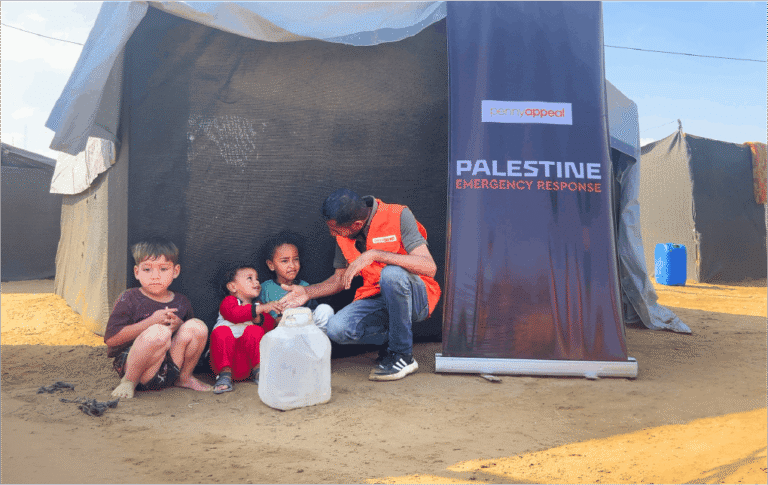
- Support for vulnerable families and children
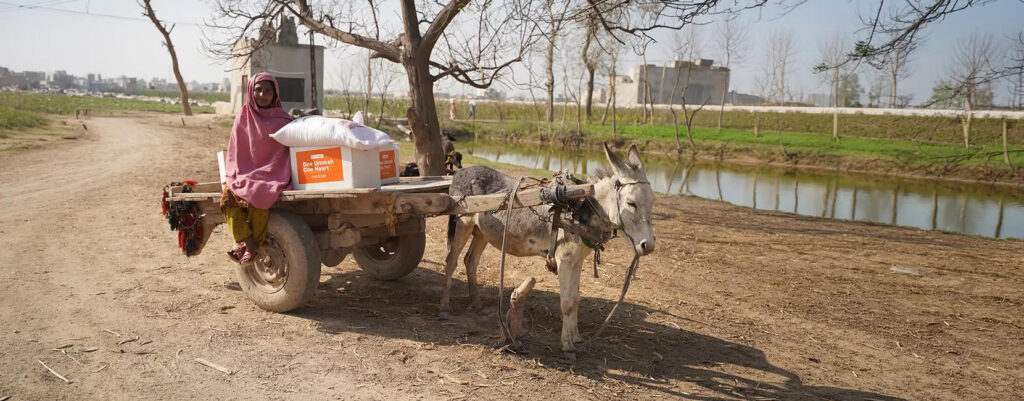
- Emergency assistance for people affected by conflict or disaster
- Livelihood and other support that helps families move out of poverty
Zakat is not simply about providing temporary relief. At its best, it can help someone meet an immediate need while giving them a stronger foundation for the future.
Zakat FAQs
Who has to pay Zakat?
Zakat generally becomes obligatory when a Muslim owns eligible wealth above the Nisab threshold for one full lunar year. Individual circumstances can vary, so seek qualified Islamic guidance if you are unsure whether Zakat is due.
What percentage of my wealth is Zakat?
For most forms of eligible wealth, Zakat is 2.5%. Different rules can apply to certain assets and forms of wealth.
What is Nisab?
Nisab is the minimum amount of wealth you must own before Zakat becomes obligatory. It is traditionally calculated using the value of 87.48 grams of gold or 612.36 grams of silver. Because gold and silver prices fluctuate, the Australian-dollar Nisab threshold changes over time.
(Source: Islamic Relief Worldwide)
Do I have to pay Zakat during Ramadan?
No. Zakat can be paid at any point in the year once it becomes due.
Many Muslims choose to give their Zakat during Ramadan because of the significance and rewards of the month, but Ramadan itself does not determine when your Zakat becomes obligatory.
What is the difference between Zakat and Sadaqah?
Zakat is an obligatory form of giving with specific rules around who must pay it, how much is due and who can receive it.
Sadaqah is voluntary charity and can be given at any time and in any amount.
Fulfil Your Zakat
Your Zakat is both an obligation to Allah and a means of supporting people facing genuine hardship.
Calculate what you owe, give with intention, and help your Zakat reach people who are eligible to receive it.