Eid al-Adha & Qurban Guide: Meaning, Sacrifice And The Story Behind Eid
Every Eid has its own feelings.
Eid al-Fitr arrives after a month of fasting. Eid al-Adha arrives with a story of faith, trust, and sacrifice that has been remembered for generations.
It is known as the Festival of Sacrifice, and at the heart of the celebration is Qurban which is an act of worship that connects Muslims today with the legacy of Prophet Ibrahim (AS).
You may also hear the occasion called Eid al-Qurban, Eid ul-Adha or Id ul-Zuha in different communities. The names may vary, but they refer to the same sacred celebration.
What Is Eid al-Adha?
Eid al-Adha is one of the two major Eids in Islam and begins on 10 Dhul Hijja, the final month of the Islamic calendar.
It is a day of prayer, gratitude, family and generosity, but its deeper meaning takes us back much further to Prophet Ibrahim (AS) and an extraordinary test of faith.
The Story At The Heart Of Eid al-Adha
Prophet Ibrahim (AS) was prepared to sacrifice his beloved son in obedience to Allah (SWT).
It was an unimaginable test, yet Ibrahim (AS) remained steadfast in his trust and submission to Allah. Before the sacrifice took place, Allah provided an animal to be sacrificed instead.
It is this devotion, his willingness to place obedience to Allah above everything else, that Muslims remember during Eid al-Adha.
Qurban carries that story forward.
Not because Allah needs the sacrifice, but because the act reminds us of what sincere faith, generosity and submission can look like in our own lives.
What Is Qurban?
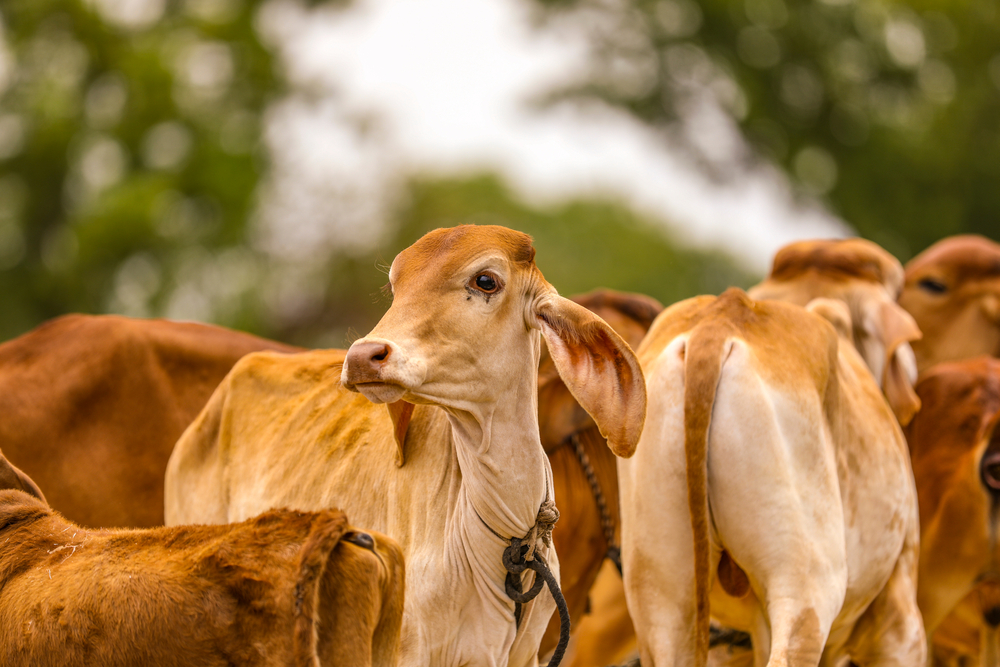
Qurban, also known as Qurbani or Udhiyah, is the sacrifice of an eligible animal during Eid al-Adha as an act of worship. Typically, this may be a sheep, goat, cow or camel, provided the animal meets the relevant Islamic requirements.
The word Qurban relates to the idea of drawing closer to Allah, which captures the heart of the act beautifully. The sacrifice may take only a moment, but it represents something much greater: devotion to Allah and generosity toward others.
Who Should Give Qurban?
Qurban is for Muslims who meet the relevant financial and religious conditions.
Scholars differ on its ruling. The Hanafi school generally considers it obligatory for those who meet the necessary conditions, while other schools commonly regard it as a highly emphasised Sunnah.
If you are unsure whether Qurban applies to you, it is best to seek trusted Islamic guidance relevant to your circumstances.
For those who can give, Qurban offers a beautiful opportunity to revive Ibrahim’s (AS) legacy each year.
When Is Qurban Performed?
The time for Qurban begins after the Eid prayer on 10 Dhul Hijja and continues during the prescribed days of sacrifice that follow.
Many Muslims prepare their Qurban in advance so that everything is ready to be carried out at the right time.
This is also why Qurban appeals often open before Eid al-Adha allowing charities to organize animals, logistics and distributions in advance.
How Is Qurban Meat Shared?
Once the sacrifice is complete, its benefit extends beyond the person who offered it.
A well-known practice is to share the meat among your own household, family, neighbours, and people experiencing hardship. Islamic guidance encourages both eating from the sacrifice and feeding others from it.
And this is where an act of worship becomes something another family can physically feel.
A meal on the table. Nutritious food shared during Eid.
The chance for another household to take part in the celebration with dignity is important.
More Than a Sacrifice
It can be easy to focus on the practical side of Qurban, the animal, the shares, the timing.
But the story began with something deeper.
Trust.
Ibrahim (AS) trusted Allah when the path ahead of him was hard to understand. And every year, Eid al-Adha invites us to reflect on that same willingness to put Allah first.
For some of us, Qurban becomes one expression of that faith.
For the family receiving it, it can also become part of their Eid.
Share Your Qurban
Eid is meant to be shared.
Through us, you can entrust your sacrifice to be carried out on your behalf and help provide Qurban meat to families experiencing poverty and hardship.
Your Qurban begins as an act of worship.
Its blessings can reach far beyond your own home.
Give your Qurban and share Eid’s joy with a family in need.