 Your Cart (0)
Your Cart is Empty
Start making a difference by adding items to your cart.
Your Cart (0)Your Cart is Empty
Start making a difference by adding items to your cart.
Your Cart (0)Your Cart is Empty
Start making a difference by adding
items to your cart.
Your Cart (0)Your Cart is Empty
Start making a difference by adding items to your cart.
Your Cart (0)Your Cart is Empty
Start making a difference by adding items to your cart.
Your Cart (0)Your Cart is Empty
Start making a difference by adding
items to your cart.
 Your Cart (0)
Your Cart is Empty
Start making a difference by adding items to your cart.
Your Cart (0)Your Cart is Empty
Start making a difference by adding items to your cart.
Your Cart (0)Your Cart is Empty
Start making a difference by adding
items to your cart.


Share Hope, Share your Qurban
Fulfill your Obligation



Share Hope, Share your Qurban
Fulfill your Obligation



Share Hope, Share your Qurban
Fulfill your Obligation

Qurban Fulfilment Dates
Prophet Muhammad ﷺ said:
“When the ten days (of Dhul-Hijjah) begin, and one of you intends to offer a sacrifice, let him not remove anything from his hair or nails until he has offered the sacrifice.”(Sahih Muslim)

ASIA
MYANMAR, PAKISTAN, INDIA
AFRICA
CHAD, SUDAN, TAZANIA
Middle East
YEMEN, PALESTINE
Qurban Fulfilment Dates
Prophet Muhammad ﷺ said:
“When the ten days (of Dhul-Hijjah) begin, and one of you intends to offer a sacrifice, let him not remove anything from his hair or nails until he has offered the sacrifice.”(Sahih Muslim)
ASIA
MYANMAR, PAKISTAN, INDIA
AFRICA
CHAD, SUDAN, TAZANIA
Middle East
YEMEN, PALESTINE
Qurban Fulfilment Dates
Prophet Muhammad ﷺ said:
“When the ten days (of Dhul-Hijjah) begin, and one of you intends to offer a sacrifice, let him not remove anything from his hair or nails until he has offered the sacrifice.”(Sahih Muslim)
ASIA
MYANMAR, PAKISTAN, INDIA
AFRICA
CHAD, SUDAN, TAZANIA
Middle East
YEMEN, PALESTINE

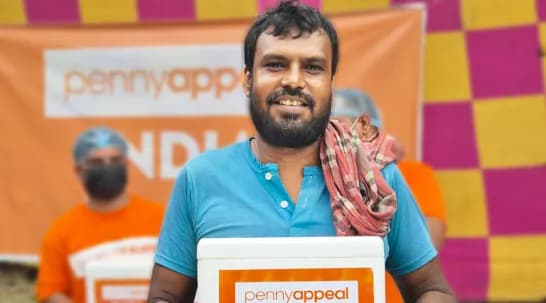


AFFORDABLE QURBAN
Donate your Qurban this Eid al-Adha and bring joy to those in need.
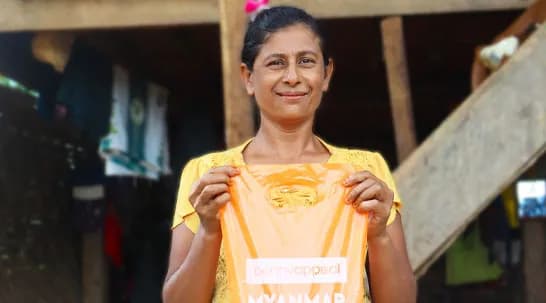
ASIA
Donate your Qurban this Eid al-Adha and bring joy to those in need.
AFFORDABLE QURBAN
Donate your Qurban this Eid al-Adha and bring joy to those in need.
ASIA
Donate your Qurban this Eid al-Adha and bring joy to those in need.
AFFORDABLE QURBAN
Donate your Qurban this Eid al-Adha and bring joy to those in need.
ASIA
Donate your Qurban this Eid al-Adha and bring joy to those in need.
Sharing the Joy of Eid
How this works?
Your sadaqah ensures that thousands of families in underserved communities can celebrate Eid.



Sharing the Joy of Eid
How this works?
Your sadaqah ensures that thousands of families in underserved communities can celebrate Eid.
Sharing the Joy of Eid
How this works?
Your sadaqah ensures that thousands of families in underserved communities can celebrate Eid.

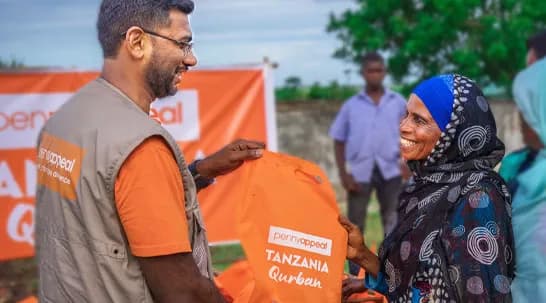
AFRICA
Donate your Qurban this Eid al-Adha and bring joy to those in need.
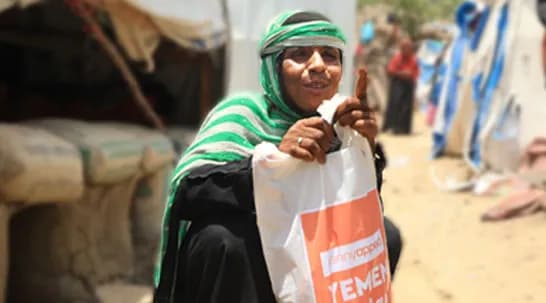
YEMEN CRISIS RELIEF
Donate your Qurban this Eid al-Adha and bring joy to those in need.
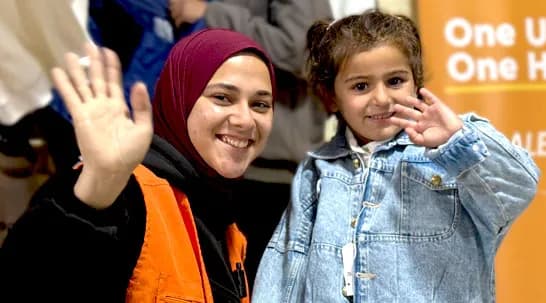
PALESTINE REFUGEES
Donate your Qurban this Eid al-Adha and bring joy to those in need.
AFRICA
Donate your Qurban this Eid al-Adha and bring joy to those in need.
YEMEN CRISIS RELIEF
Donate your Qurban this Eid al-Adha and bring joy to those in need.
PALESTINE REFUGEES
Donate your Qurban this Eid al-Adha and bring joy to those in need.
AFRICA
Donate your Qurban this Eid al-Adha and bring joy to those in need.
YEMEN CRISIS RELIEF
Donate your Qurban this Eid al-Adha and bring joy to those in need.
PALESTINE REFUGEES
Donate your Qurban this Eid al-Adha and bring joy to those in need.
Prophet Muhammad ﷺ said:
“On the Day of Sacrifice, no deed of the son of Adam is more beloved to Allah than the sacrificing of an animal.”
(Jami’ al-Tirmidhi)

Prophet Muhammad ﷺ said:
“On the Day of Sacrifice, no deed of the son of Adam is more beloved to Allah than the sacrificing of an animal.”
(Jami’ al-Tirmidhi)
Prophet Muhammad ﷺ said:
“On the Day of Sacrifice, no deed of the son of Adam is more beloved to Allah than the sacrificing of an animal.”
(Jami’ al-Tirmidhi)

Our FAQ's
Have any questions for us?
We're here to ensure your giving experience is simple, transparent, and trustworthy.
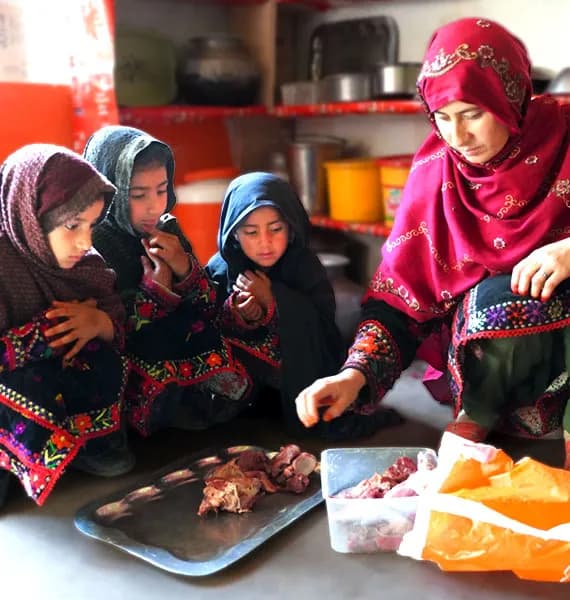
You can make up for it by purchasing the Qurban shares based on the number of years you have missed. For example, if you were eligible to give for the past 2 years but missed it, you will need to give 3 Qurban shares this year.

Our FAQ's
Have any questions for us?
We're here to ensure your giving experience is simple, transparent, and trustworthy.
You can make up for it by purchasing the Qurban shares based on the number of years you have missed. For example, if you were eligible to give for the past 2 years but missed it, you will need to give 3 Qurban shares this year.

Our FAQ's
Have any questions for us?
We're here to ensure your giving experience is simple, transparent, and trustworthy.
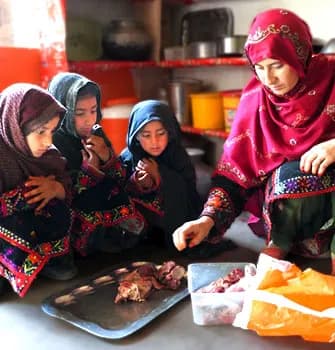
Qurban is the act of sacrificing an animal during Eid al-Adha, following the tradition of Prophet Ibrahim/Abraham (peace be upon him). It's a way to express gratitude to Allah and share blessings to those in need.
An adult Muslim who is financially able and meets the nisab (minimum wealth) threshold is encouraged to give Qurban.
85 grams of gold 595 grams of silver You can refer to the value on our website on this page: https://pennyappeal.org.au/zakat-calculator
The latest you can give is on the second day of Eid (12th Dhulhijjah). We recommend you give earlier so your Qurban can be planned and carried out on time.
Our trusted teams perform Qurban on your behalf after Eid prayers, following all Islamic guidelines. The meat is distributed fresh to those
Penny Appeal Australia will slaughter fresh meat in Egypt and work to deliver it into Gaza through Egypt. If access into Gaza is not possible during the days of Eid, the Qurban meat will instead be distributed to Palestinian refugees in Egypt.
There are difference of opinions among scholars about this. We recommend you consult your local Imam or scholar for the ruling.
Yes, you can give Qurban on behalf of others as long as they among one of these categories: Family member: You can include a member of your family. Deceased relative: This will count as Sadaqah Jariyah for the one who have passed. Those who can't give Qurban: You can give on behalf of someone who are not financially able to give, who are ill, or who have any other valid reason that exempts them from the sacrifice. You will need consent from that person if you want to do it, and you must have good intentions.
You can make up for it by purchasing the Qurban shares based on the number of years you have missed. For example, if you were eligible to give for the past 2 years but missed it, you will need to give 3 Qurban shares this year.

Quick Donation
Quick Donation